HR said we needed a formal mentorship program. Every junior engineer paired with a senior mentor. Monthly check-ins required. Development plans documented. Quarterly reviews. It would accelerate growth, improve retention, build culture.
We implemented it by the book. Careful matching based on skills, interests, and working styles. Training for mentors. Kickoff events. Tracking spreadsheets. Executive sponsorship.
After one year, we surveyed participants.
Results were brutal:
- 15% of pairs met regularly (monthly or more)
- 25% of pairs met sporadically (every few months)
- 60% of pairs had essentially stopped meeting after the first 2-3 sessions
Among those who stopped: "We didn't really click." "It felt forced." "We both forgot." "Nothing specific to discuss."
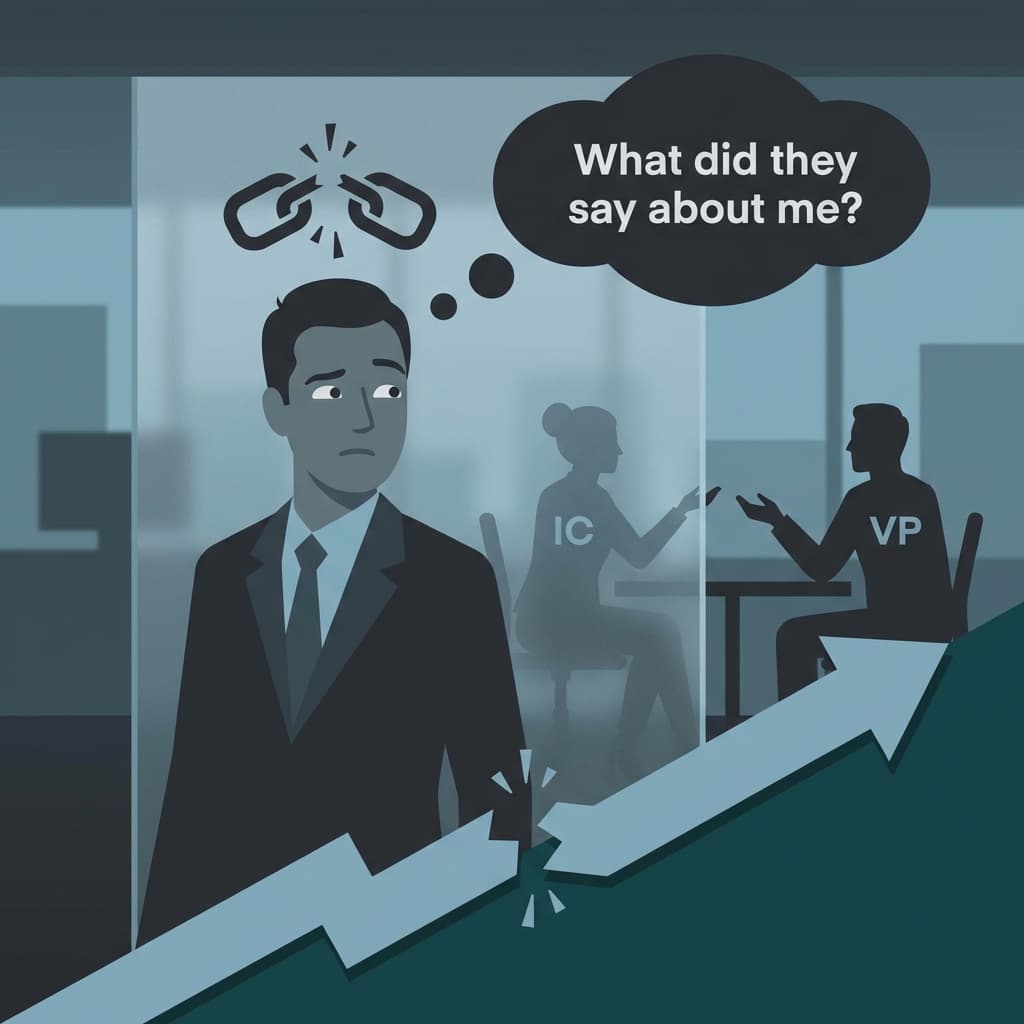
We had built infrastructure for relationships that didn't naturally exist. The program was manufacturing awkward first dates and calling it mentorship.
The Arranged Marriage Problem
Mentorship works when there's genuine connection. The mentor sees something in the mentee. The mentee admires the mentor. There's chemistry—intellectual, professional, personal.
Assigned mentorship ignores this. You're matched on paper criteria—"You're both backend engineers, you should mentor them." Maybe backend is the only thing you have in common. Maybe you have completely different approaches to the craft. Maybe your personalities clash.
You can't force chemistry. You can only create conditions where it develops naturally.
The Obligation Trap
Once mentorship is "required," both parties feel obligated rather than invested. The mentor thinks: "I have to do this, it's part of my job now." The mentee thinks: "I'm supposed to have a mentor, so I should use them."
Obligation kills curiosity. When you have to meet, conversations become checkbox exercises. "Any questions?" "Not really." "Okay, see you next month."
Natural mentorship feels different. The mentee seeks out the mentor because they genuinely want guidance. The mentor invests because they genuinely want to help. Both parties are energized, not drained.
What We Do Now: Organic Connection Infrastructure
We replaced formal pairing with organic connection opportunities:
Cross-Team Pairing Rotations
Junior engineers rotate through different team pairings for 2-week stints. They work closely with various seniors. Some relationships click; most don't. That's fine—they're still learning and building network.
Open Office Hours
Senior engineers hold weekly "office hours." Anyone can drop in. The ones who show up are the ones who actually want guidance. Self-selection ensures engagement.
Interest-Based Groups
Communities of practice around technologies, approaches, career paths. Natural mentorship emerges when people with shared interests gather. The container creates connection; the relationship isn't manufactured.
Manager's Role
Managers actively look for organic mentoring relationships forming and support them—giving time, removing obstacles, recognizing mentors. They don't assign; they enable.
The Results
After switching to organic connection:
- Active mentorship relationships (self-reported): 3x increase
- Quality rating of mentorship (participant surveys): 4.2/5 vs 2.8/5 formally
- Junior engineer retention: Up 20%
- Senior engineer satisfaction with mentoring: Up significantly (no longer felt like homework)
The people who wanted to mentor were mentoring. The people who wanted mentorship sought it. The people who didn't want either weren't forced into awkward checkbox meetings.
The Hard Truth About Development
You can't HR-program your way to human connection. Mentorship is a relationship, not a process. It emerges from genuine resonance between people who choose each other.
What you CAN do is create environments where connection is likely. Put people together. Give them reasons to interact. Make asking for help normal. Celebrate mentoring when it happens. Remove friction from organic relationships.
What you CANNOT do is assign relationships and expect them to work. You might get compliance. You won't get mentorship.
The best mentor isn't the one HR assigns. It's the one the mentee chooses because something clicked. Create the conditions for clicking, then get out of the way.
Written by XQA Team
Our team of experts delivers insights on technology, business, and design. We are dedicated to helping you build better products and scale your business.